How Many Hours Are Required for Cosmetology School in Virginia?
Cosmetology is a highly regulated and skill-intensive profession, and Virginia maintains clear standards to ensure every licensed professional is fully prepared for the demands of the beauty industry. One of the most important requirements for becoming a licensed cosmetologist in the state is completing a specific number of training hours through an approved cosmetology school. These hours are designed not only to meet regulatory standards but also to build a strong foundation in both technical skills and professional practices. This structured approach ensures consistency in service quality across the industry. It also reinforces safety, hygiene, and ethical service delivery in every professional setting.
Understanding how many hours are required for cosmetology school in Virginia is essential for anyone considering a career in hair styling, skincare, nail technology, or makeup artistry. These training hours directly influence how well-prepared a student becomes for both the state board exam and real-world salon environments. The structure of the program ensures a balance between classroom theory and hands-on practical experience, helping students transition smoothly into professional roles. It also helps build discipline and time management skills essential for salon success. This preparation strengthens confidence when handling diverse client needs under real working conditions.
Cosmetology education in Virginia is more than just meeting a requirement; it is a structured pathway designed to develop confidence, technical precision, and industry readiness. Each hour spent in training contributes to building essential competencies that define long-term success in the beauty and wellness industry. This foundation also supports career growth by preparing students for evolving industry trends and client expectations over time. It further ensures adaptability, allowing professionals to stay competitive in a constantly evolving beauty industry landscape.
Cosmetology School Hour Requirements in Virginia
State-Mandated Training Hours Overview
In Virginia, cosmetology students are required to complete 1,500 training hours in a state-approved cosmetology program. These hours are strictly regulated by the Virginia Board for Barbers and Cosmetology to ensure consistent professional standards across all licensed practitioners throughout the state system. Every hour is designed to contribute toward a comprehensive understanding of beauty services, safety protocols, and client care techniques in structured learning environments.
This structured requirement ensures that every graduate enters the workforce with a uniform level of competence and professional readiness. The 1,500-hour benchmark is aligned with national standards while also reflecting Virginia’s strong emphasis on safety, hygiene, technical excellence, and industry accountability for long-term career success.
Why 1,500 Hours Matter in Professional Licensing
The 1,500-hour requirement is not arbitrary. It reflects the level of training necessary to safely and effectively perform cosmetology services in a professional salon setting. These hours ensure exposure to a wide range of essential skills, including haircutting, coloring, chemical treatments, skincare, nail care, and sanitation procedures under supervision.
Students who complete these hours are better prepared to handle diverse client needs and industry challenges in real working environments. The extensive training also reduces the risk of errors, improves overall service quality, and builds strong confidence in handling real salon situations consistently and professionally.
Structure of Cosmetology Training Hours
Theory-Based Learning (Classroom Instruction)
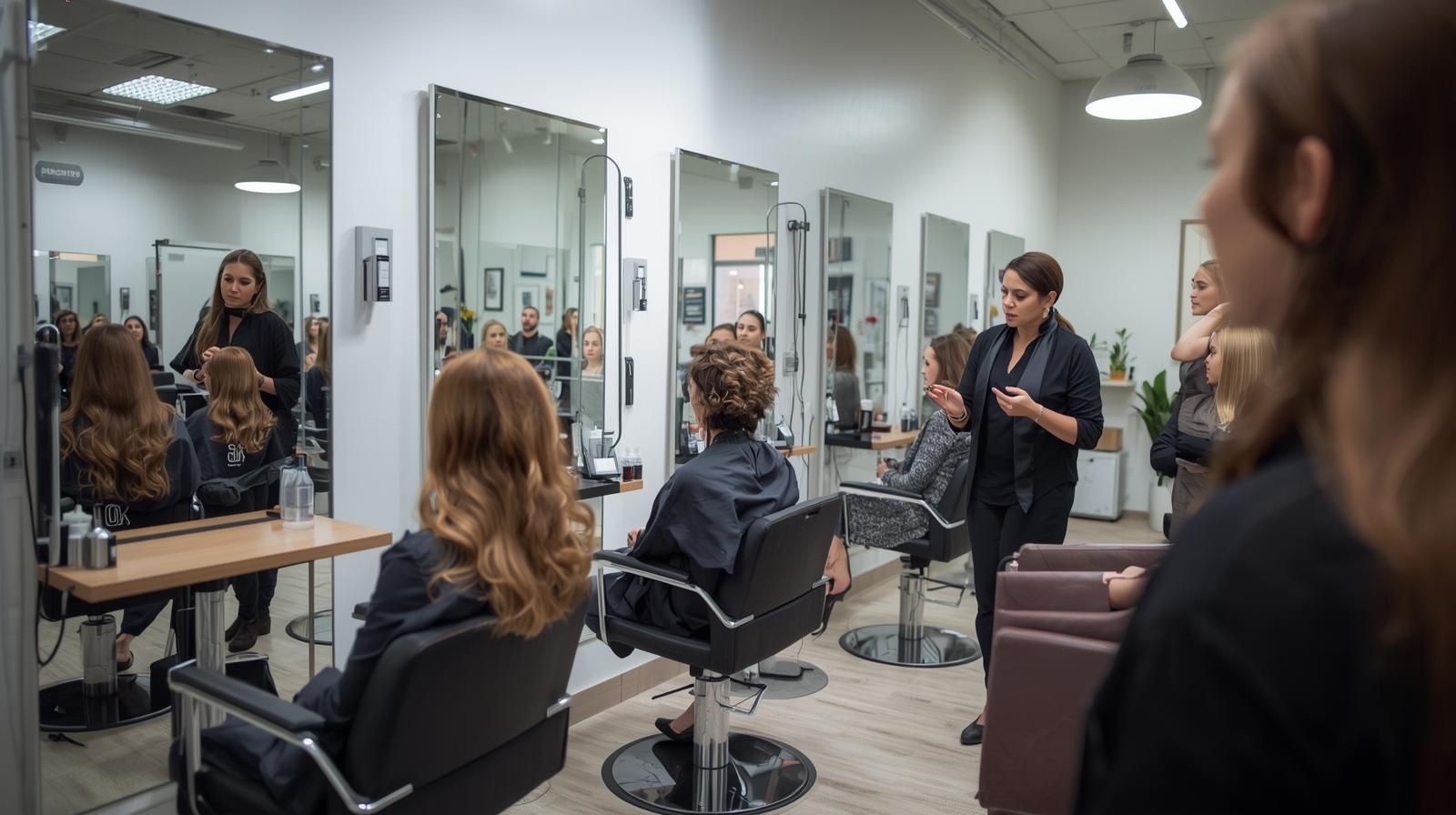
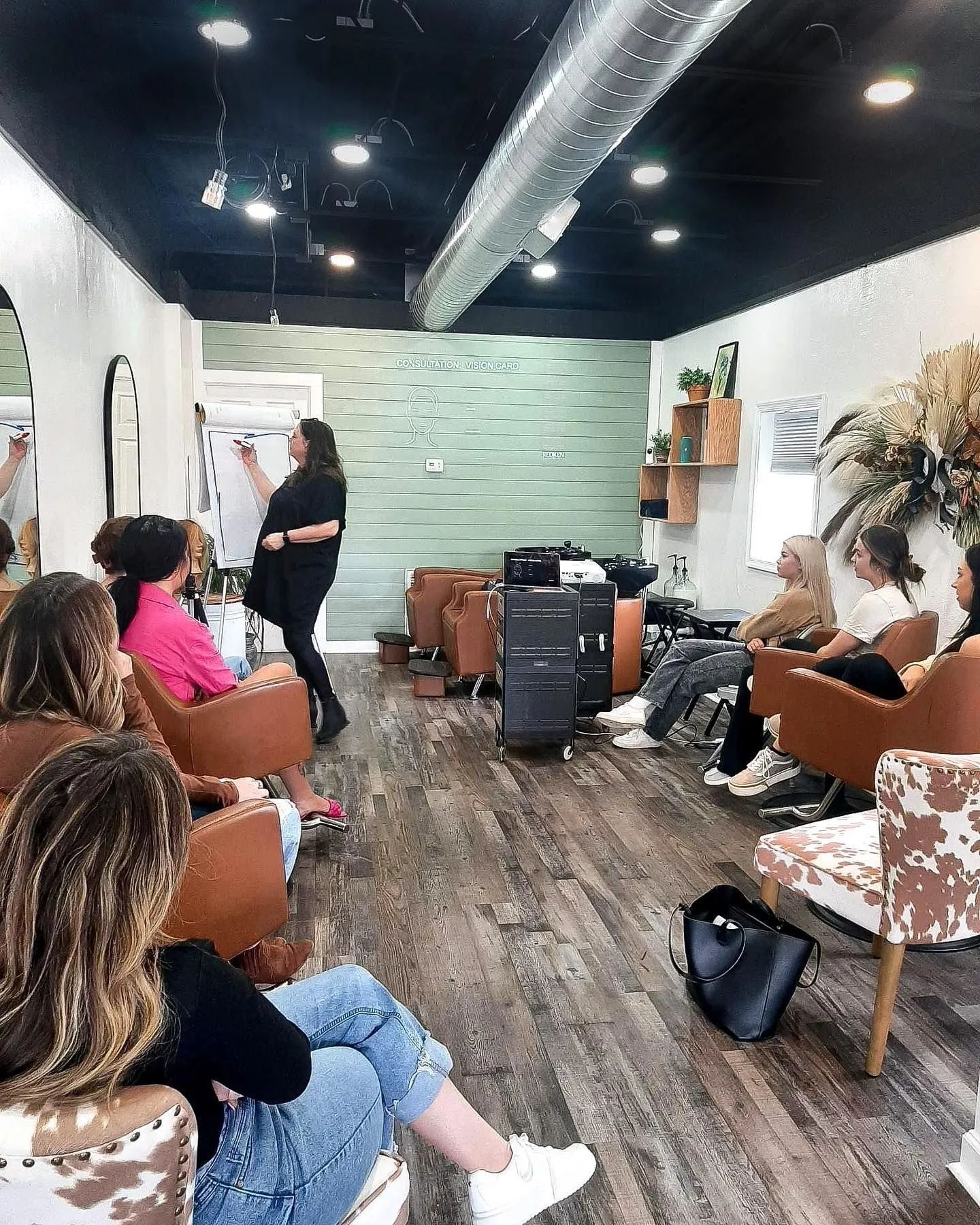
A portion of the 1,500 hours is dedicated to theoretical education. This includes understanding hair structure, skin biology, product chemistry, sanitation standards, and state regulations. Theory classes build the intellectual foundation required to make informed decisions during practical services.
Key theoretical areas include:
- Anatomy and physiology of hair, skin, and nails
- Chemical composition of beauty products
- Safety and sanitation guidelines
- State laws and professional ethics
- Client consultation techniques
This knowledge ensures students understand not just how to perform services, but why specific techniques are used. It also prepares students for the written portion of the state board exam.
Hands-On Practical Training
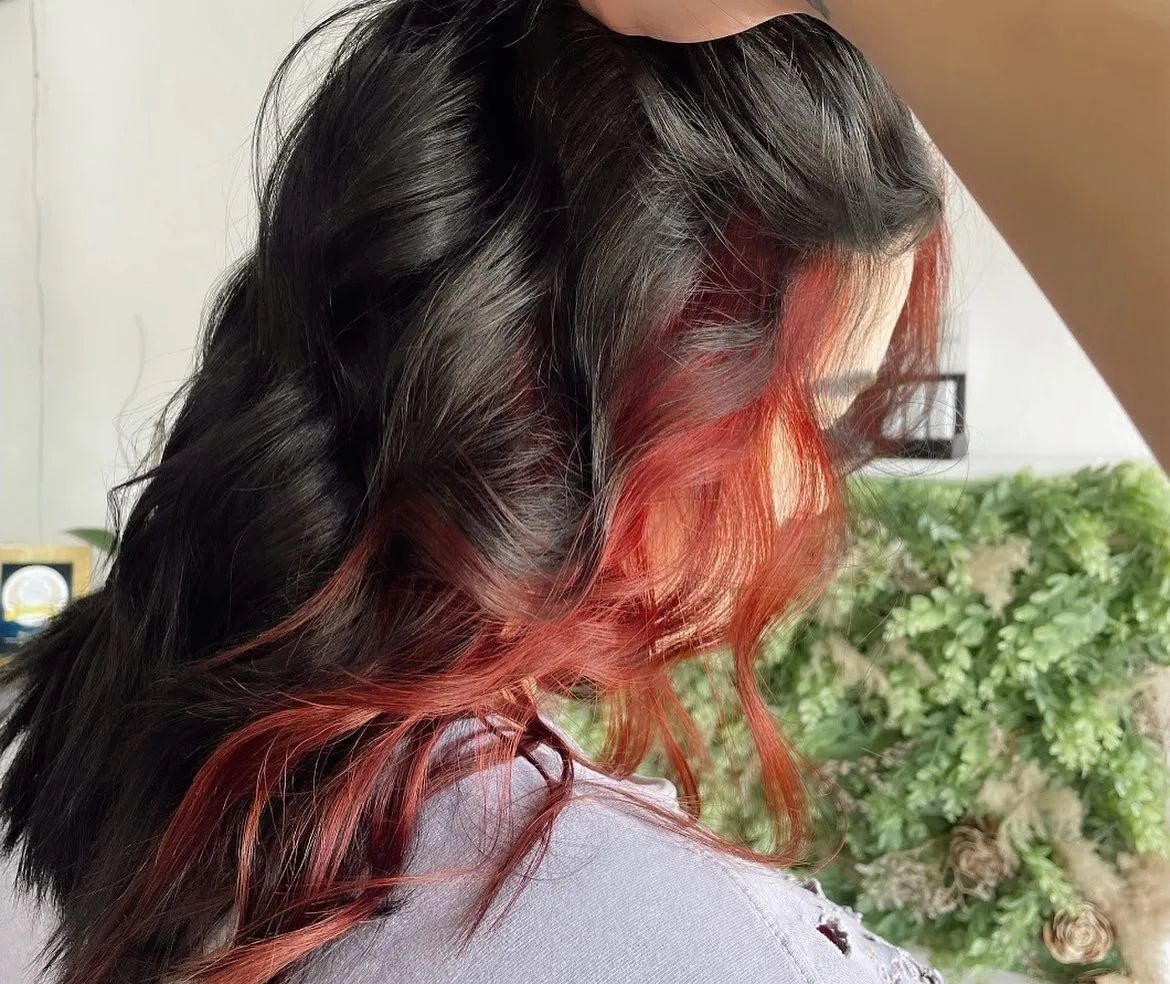
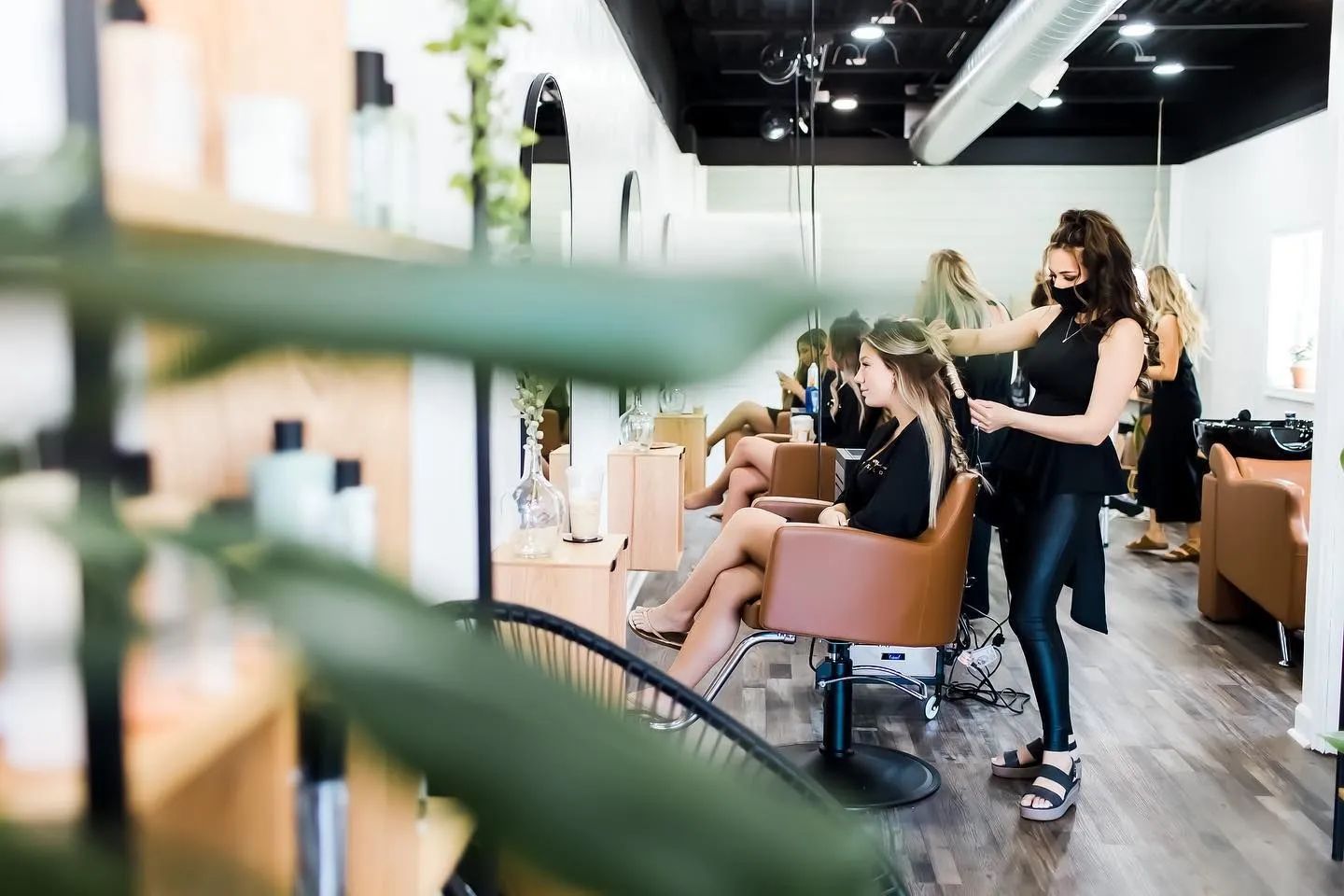
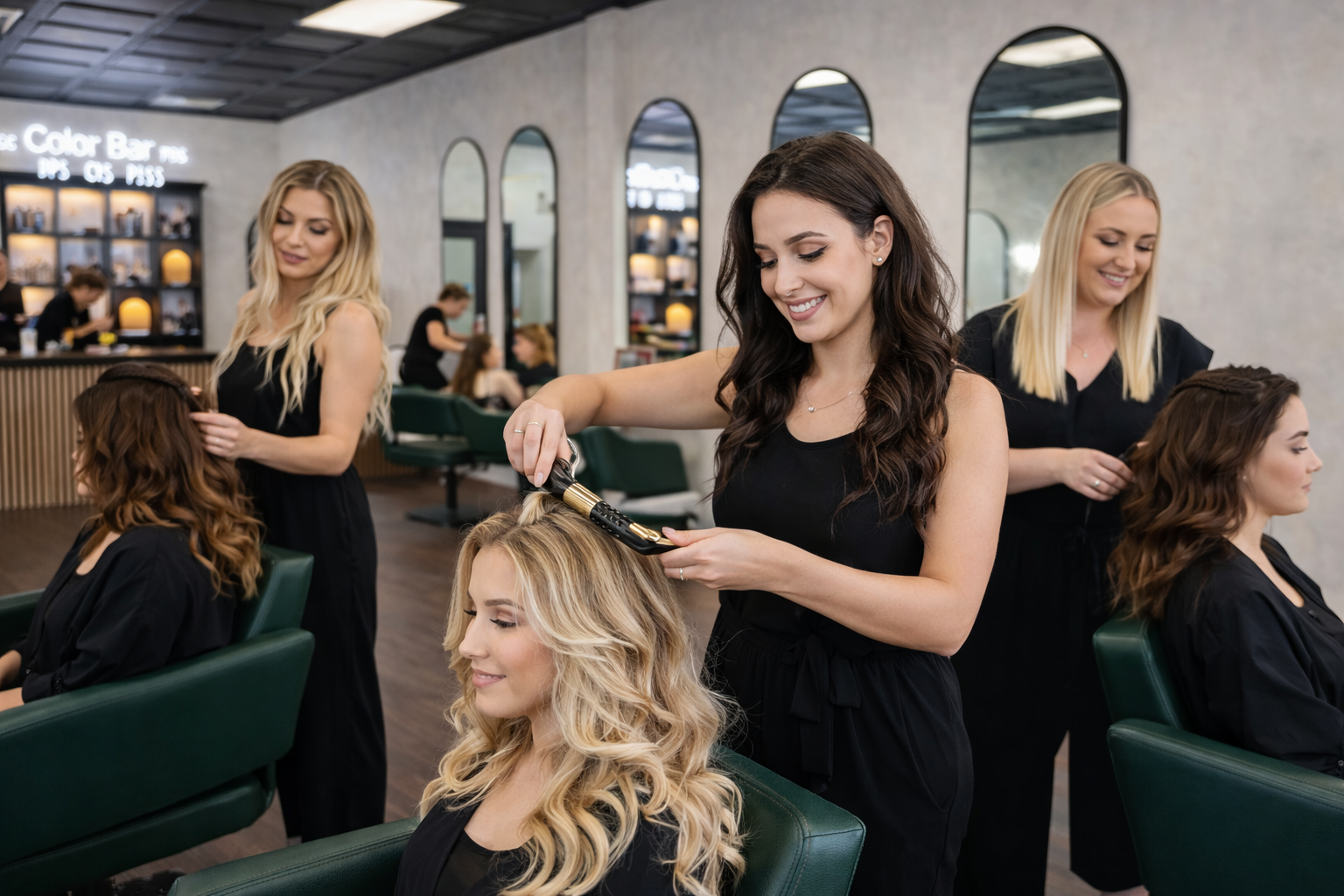
The majority of cosmetology hours focus on hands-on experience. Students practice techniques on mannequins, peers, and eventually real clients under supervision. This phase transforms theoretical knowledge into real-world skill application.
Practical training includes:
- Hair cutting, styling, and blow-drying techniques
- Hair coloring, highlighting, and chemical treatments
- Facial treatments and skincare procedures
- Manicure and pedicure services
- Hair removal and waxing services
Hands-on training builds muscle memory, precision, and speed. It also helps students develop client communication skills, time management, and professional etiquette—skills essential for salon success.
Balancing Theory and Practical Learning Effectively
Importance of Integrated Learning
Virginia cosmetology programs are structured to ensure that theory and practice are not isolated. Instead, they are integrated to reinforce each other in a structured, progressive manner. For example, learning about hair chemistry in theory is immediately applied in coloring or chemical treatment sessions during supervised practice. This connection between knowledge and application strengthens understanding and improves technical decision-making skills in real time.
This blended approach helps students retain information more effectively and apply it confidently in real-time scenarios across varied client services. It also reduces the learning gap between classroom education and actual salon expectations, ensuring smoother professional transitions after licensing.
Building Confidence Through Repetition
Repetition plays a critical role in mastering cosmetology skills with accuracy and consistency. By consistently practicing techniques over hundreds of structured training hours, students refine precision, speed, and overall service efficiency. Mistakes made during training become valuable learning opportunities, reducing the likelihood of repeated errors in professional salon environments later on.
This continuous exposure ensures that graduates are not only knowledgeable but also capable of delivering consistent, high-quality services under pressure and time constraints. It also builds confidence when handling diverse client needs and complex styling requests independently.
How Training Hours Prepare Students for the State Board Exam
Written Examination Preparation
The Virginia cosmetology state board exam includes a written component that tests knowledge of safety, sanitation, chemical processes, and regulatory compliance standards. The theory hours completed during training directly support this exam preparation through structured lessons and guided study sessions focused on exam-relevant content.
Students become familiar with exam topics such as infection control procedures, product usage guidelines, and professional ethics expectations in salon practice. This structured academic foundation significantly increases pass rates and ensures complete readiness for state licensing requirements and regulatory standards.
Practical Examination Readiness
The practical exam evaluates hands-on skills such as haircutting, styling, chemical application, and sanitation procedures under timed conditions. The extensive practical training hours ensure students can perform these tasks efficiently, accurately, and with professional-level consistency during examination settings.
Regular mock exams during training simulate real testing environments closely, helping students manage pressure and improve performance consistency under observation. By the time students reach the state board exam, all procedures feel familiar, manageable, and executed with confidence and technical precision.
Transition from Training to Real Salon Work
Developing Job-Ready Skills
Completing 1,500 hours of cosmetology training ensures students are job-ready from day one of entering the professional beauty industry with complete readiness. These hours develop advanced technical expertise along with essential soft skills such as communication, professionalism, client handling, and service coordination in real environments.
Graduates are trained to manage appointments, consult with clients effectively, and recommend personalized services confidently based on individual needs and expectations. This level of preparation makes the transition into salons significantly smoother, more efficient, and professionally sustainable in competitive beauty industry environments.
Understanding Real-World Challenges
Salon environments require multitasking, time management, adaptability, and strong interpersonal communication skills throughout daily operational workflows and client services. Training hours expose students to these real-world conditions through supervised salon floor experiences and live client interactions under instructor guidance and evaluation.
Students learn how to handle client expectations professionally, adjust techniques based on different hair or skin types, and maintain composure during busy operational hours consistently. This exposure reduces the learning curve after licensing and builds long-term workplace confidence and reliability in professional salon careers over time.
Expert-Led Skill Development for Salon-Ready Professionals Today
We focus on delivering a structured and career-oriented cosmetology education that aligns with Virginia’s licensing requirements and industry expectations. Every learning module is designed to strengthen both technical expertise and professional confidence, ensuring students are fully prepared for the 1,500-hour journey required for state certification. We emphasize a balanced approach where theory and practical application work together to build mastery in essential beauty services. This approach also helps students adapt quickly to evolving techniques and modern salon standards with greater ease. At Pavia Hair Academy, Lynchburg, Virginia, with 10 years of experience, this commitment is consistently reflected in every stage of training.
Our training environment encourages precision, discipline, and creativity, helping students develop the skills needed to succeed in real salon settings. From foundational techniques to advanced styling methods, each stage of learning is guided to ensure consistent progress and skill refinement. We also prioritize preparing students for both components of the Virginia state board exam, focusing on knowledge retention and hands-on accuracy. This ensures graduates are not only exam-ready but also job-ready from the moment licensing is achieved. Continuous feedback and supervised practice further strengthen confidence and professional readiness.
We remain committed to shaping confident professionals who understand industry standards and client expectations. By maintaining high educational standards and a supportive learning structure, we continue to serve as a trusted pathway for individuals pursuing long-term success in cosmetology careers across Virginia and beyond. Our goal is to ensure every student transitions smoothly into the workforce with strong technical ability and professional integrity, supported by the proven expertise of guiding consistent excellence in cosmetology education.