How to Become a Licensed Cosmetologist in Virginia (Step-by-Step Guide)

March 26, 2026

Building a career in cosmetology offers a dynamic blend of creativity, technical skill, and meaningful client relationships. In Virginia, becoming a licensed cosmetologist is an essential step toward practicing professionally, ensuring that beauty practitioners meet established standards for safety, hygiene, and service excellence. With the beauty industry continuing to grow steadily, aspiring professionals are increasingly seeking clear, reliable guidance on how to navigate the licensing process efficiently and confidently. This demand reflects the competitive nature of modern beauty careers and the importance of formal training. A structured licensing path helps individuals transform passion into sustainable professional opportunities.

Understanding each stage—from enrolling in an accredited program to completing training hours, passing the state board examination, and applying for licensure—can make the journey smoother and more rewarding. Many students enter cosmetology programs with enthusiasm but encounter unexpected challenges, including documentation errors, exam anxiety, or delays in submitting applications. By approaching the process with preparation and informed decision-making, candidates can minimize setbacks and accelerate their transition into the workforce. Developing organizational habits early also strengthens professional confidence and accountability. Proper planning ensures that each milestone is completed efficiently without unnecessary stress.


This step-by-step guide provides practical insights into becoming a licensed cosmetologist in Virginia. By outlining requirements, common mistakes, and proven best practices, the goal is to help future professionals build a strong foundation for long-term success in an industry that values both artistry and professionalism. Readers will gain clarity on expectations, timelines, and preparation strategies that support career readiness. With the right knowledge and commitment, aspiring cosmetologists can move forward with purpose and achieve meaningful growth.

1. Enrolling in an Approved Cosmetology Program

Understanding Program Accreditation and State Requirements

The first step toward licensure in Virginia involves enrolling in a state-approved cosmetology program. These programs are designed to equip students with both theoretical knowledge and practical skills necessary for professional practice and long-term career stability. Accreditation ensures the curriculum meets regulatory standards related to sanitation, client safety, chemical handling, and service procedures. Choosing an approved institution is crucial because hours completed at non-recognized schools may not qualify toward licensing eligibility or examination approval.


Prospective students should research admission criteria carefully before applying. Most programs require a high school diploma or equivalent, proof of age eligibility, and sometimes a placement assessment. Enrollment timelines can vary, with some schools offering rolling admissions while others operate on fixed start dates throughout the year. Understanding financial aid options, payment plans, and scholarship opportunities can also influence the enrollment decision significantly.

Evaluating Curriculum Structure and Learning Environment

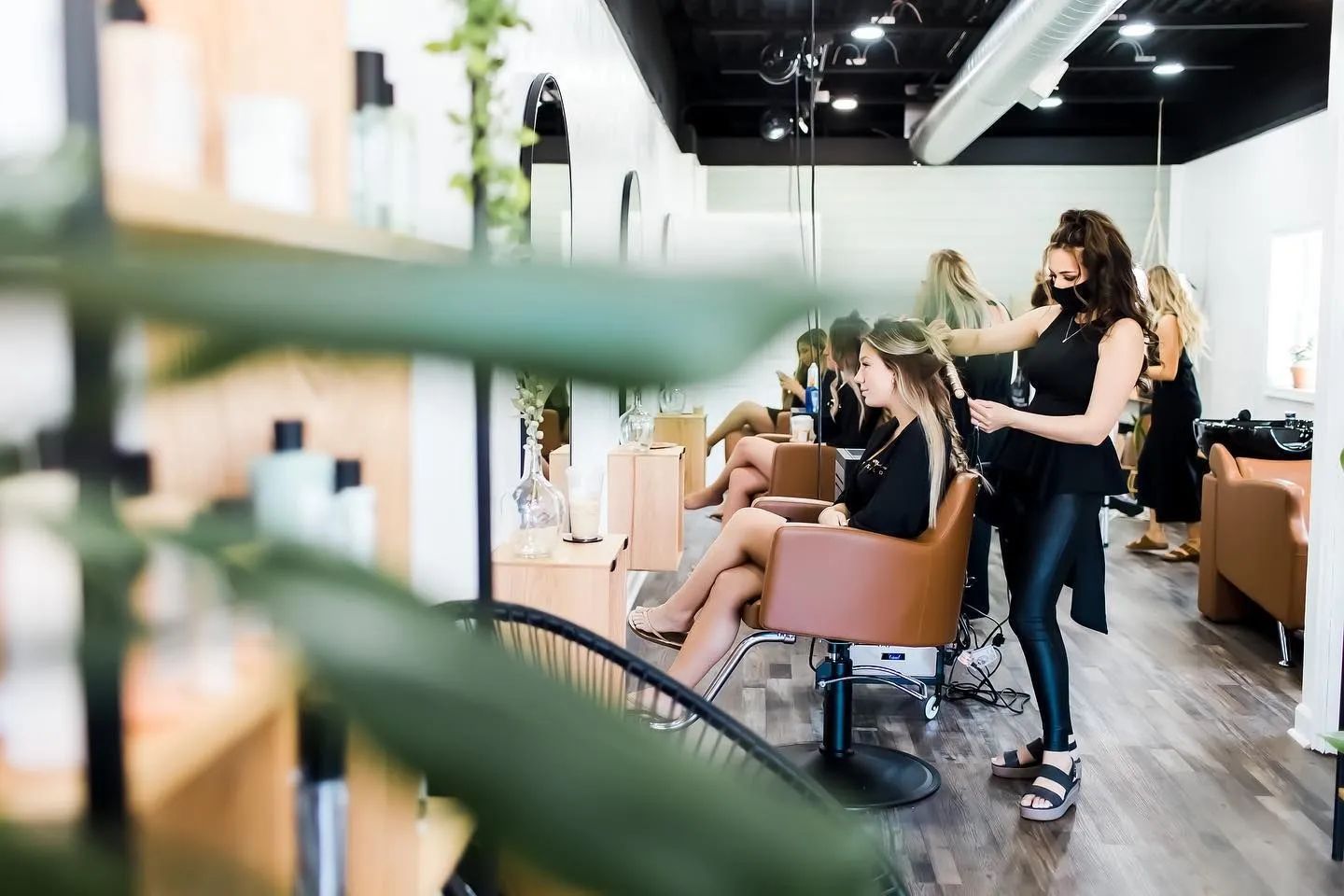
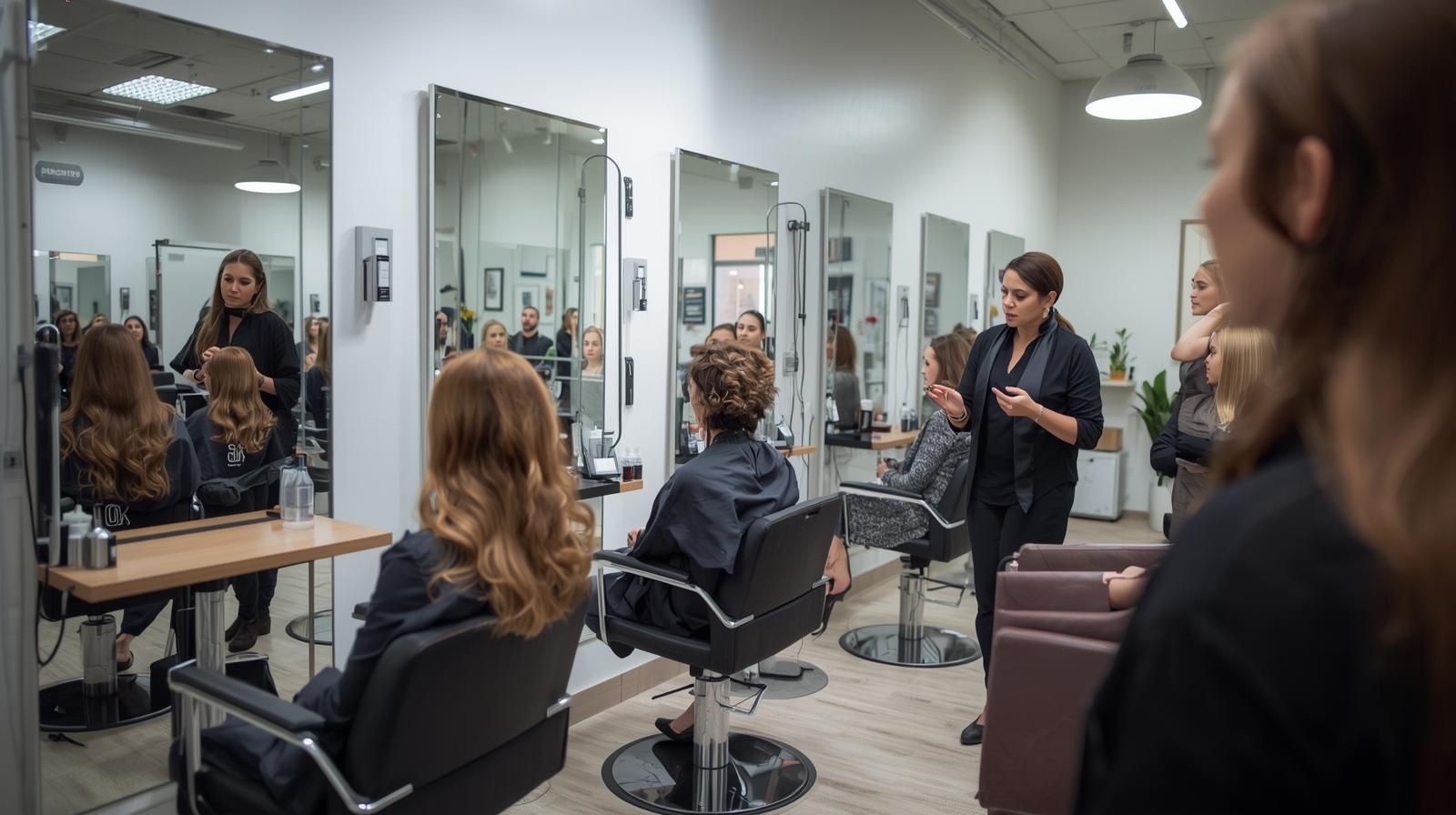
Not all cosmetology programs offer identical training experiences or outcomes. While core subjects remain consistent, differences in teaching methodology, instructor expertise, and hands-on opportunities can affect learning outcomes and student confidence. Students benefit from programs that provide real-world salon simulations, client interaction, and exposure to modern techniques such as advanced coloring, texture services, and skincare integration practices.


A supportive learning environment encourages confidence and skill mastery throughout training. Visiting campuses, attending open houses, or speaking with alumni can provide valuable insight into program quality and expectations. By prioritizing institutions that balance theory with practical experience, aspiring cosmetologists can build a strong foundation for future licensure and employment success confidently.

2. Completing Required Training Hours Successfully

Meeting Virginia’s Hour Requirements Efficiently

Virginia mandates a specific number of training hours before candidates can qualify for the state board examination successfully. These hours typically cover hair cutting, styling, chemical treatments, nail care fundamentals, skin services, sanitation protocols, and essential business practices. Consistent attendance is essential, as missed sessions can prolong program completion timelines and delay licensing eligibility significantly.


Students often underestimate the importance of time management during training programs. Balancing coursework, practical sessions, and personal responsibilities requires planning, focus, and discipline consistently. Creating weekly schedules, tracking completed hours, and staying in regular communication with instructors helps ensure steady academic progress. Some programs also offer accelerated options, allowing motivated learners to complete requirements sooner and enter the workforce faster.

Building Practical Competence Through Hands-On Experience

Training hours are not merely a regulatory obligation for students. They represent an opportunity to develop real expertise and industry confidence. Engaging fully in practical sessions enables students to refine technical precision, improve client communication, and understand service customization effectively. Practicing on diverse hair types, textures, and client preferences prepares graduates for real-world salon environments successfully.


Additionally, documenting progress through portfolios or skill logs can enhance confidence before examinations begin. Many successful cosmetologists attribute their career readiness to consistent hands-on practice and constructive feedback during training experiences. Treating every service opportunity as a professional learning experience strengthens both technical ability and valuable industry awareness significantly.

3. Preparing for and Passing the State Board Examination

  • Understanding Exam Components and Evaluation Criteria

    After completing required training hours, candidates must pass the Virginia cosmetology licensing examination successfully. This assessment generally includes both written and practical components for evaluation. The written section evaluates theoretical understanding, including infection control, product chemistry, anatomy basics, and regulatory compliance standards. The practical exam measures technical execution, time management skills, and adherence to sanitation protocols consistently.


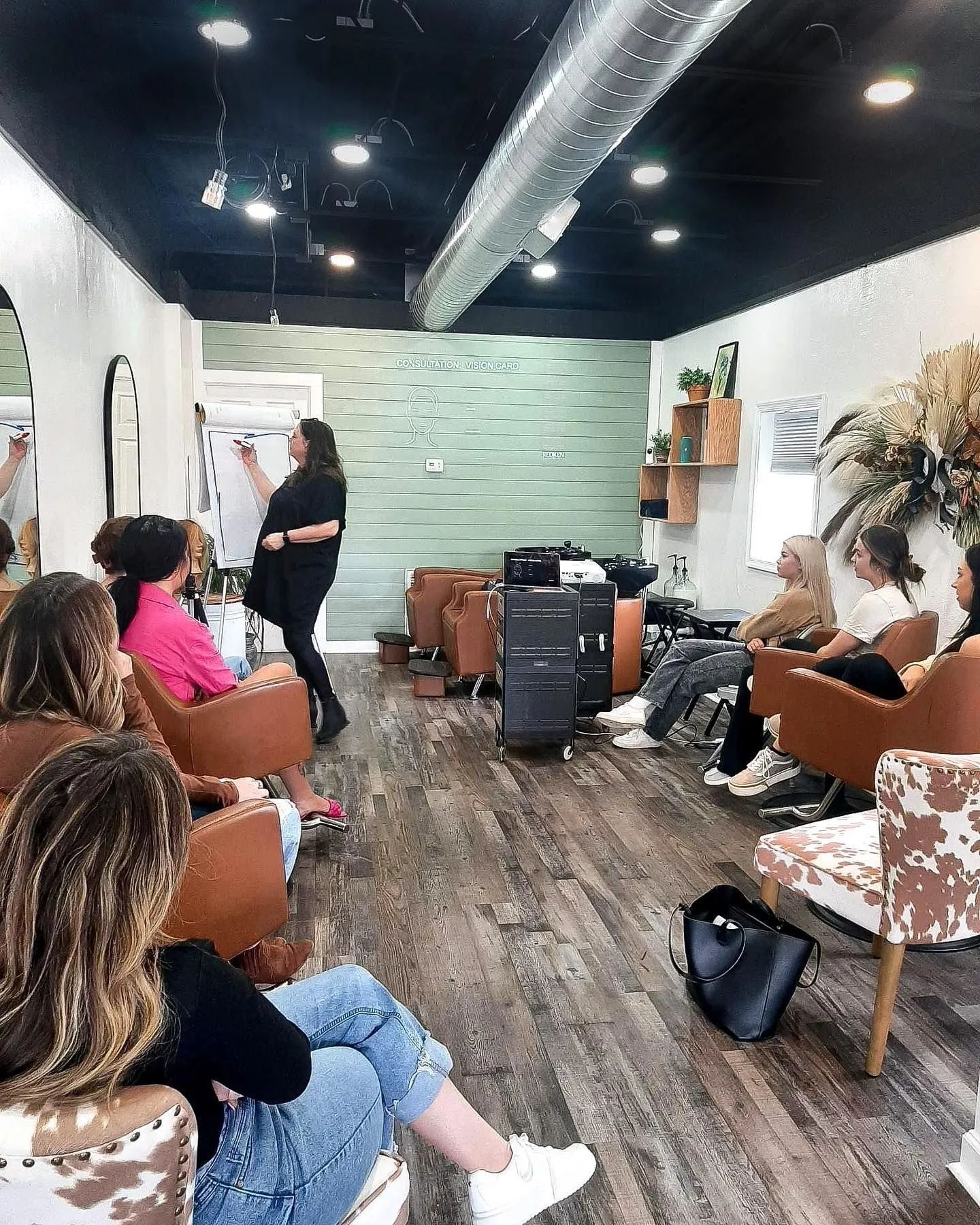
    Familiarity with exam structure reduces anxiety and improves overall performance levels. Reviewing official candidate handbooks, practicing sample questions, and attending exam preparation workshops can significantly increase readiness and confidence. Many students find it helpful to simulate practical exam conditions, allowing them to refine service sequencing and timing strategies properly.

  • Managing Exam Stress and Maximizing Performance

    Test anxiety is a common challenge during the licensing journey for students. Developing confidence through repetition and preparation is one of the most effective ways to overcome nervousness. Visualization techniques, mock exams, and peer practice sessions help build familiarity with exam expectations gradually.


    Candidates should also pay close attention to administrative requirements such as documentation accuracy, exam scheduling deadlines, and kit preparation guidelines. Arriving early, bringing required identification, and double-checking supplies can prevent last-minute complications or unnecessary stress. With structured preparation and a calm mindset, aspiring cosmetologists can demonstrate competence and move closer to achieving licensure successfully.


4. Applying for Licensure and Avoiding Delays

Submitting Accurate Applications and Required Documentation

Once the examination is successfully completed, candidates must apply for official licensure through the relevant regulatory authority promptly. This step involves submitting proof of completed training hours, examination results, identity verification, and applicable application fees. Even minor errors in documentation can result in processing delays or application rejections unexpectedly.


Carefully reviewing forms before submission is essential for timely approval. Applicants should confirm that all personal details match official records and that required attachments are included properly. Maintaining copies of submitted documents provides a safeguard in case additional verification is requested by authorities. Timely application submission helps prevent unnecessary waiting periods before entering the workforce professionally.

Understanding Processing Timelines and Professional Readiness

Licensure processing times may vary depending on application volume and regulatory review procedures statewide. During this period, candidates can continue building professional readiness by updating resumes, networking with salons, and attending industry events regularly. Preparing a portfolio showcasing training achievements can strengthen employment prospects significantly.


Staying informed about license renewal requirements and continuing education expectations also supports long-term regulatory compliance. Treating licensure not as the final step but as the beginning of a professional journey encourages ongoing skill development and career growth consistently.

5. Common Mistakes Students Make and How to Avoid Them

Overlooking Attendance, Documentation, and Deadlines

Many aspiring cosmetologists encounter setbacks due to avoidable mistakes during training. Irregular attendance can result in insufficient training hours, forcing students to extend program duration unnecessarily. Similarly, neglecting administrative responsibilities—such as incomplete forms or missed exam deadlines—can disrupt licensing timelines and career plans significantly.


Creating a checklist for each stage of the process helps maintain accountability effectively. Setting reminders for important milestones ensures no requirement is overlooked or forgotten. Students who approach cosmetology training with professionalism from the outset often experience smoother transitions into licensed practice environments.

Underestimating Skill Development and Professional Conduct

Another frequent challenge involves focusing solely on passing examinations rather than mastering practical skills thoroughly. While licensure is essential, long-term success depends on service quality, client satisfaction, and workplace adaptability consistently. Engaging actively in training, seeking feedback, and practicing beyond minimum requirements contribute to stronger professional competence and confidence.


Maintaining a positive attitude, demonstrating reliability, and building strong relationships with instructors and peers can also influence career opportunities greatly. By avoiding complacency and embracing continuous learning, aspiring cosmetologists position themselves for sustainable growth within the competitive beauty industry.

Empowering Future Stylists Through Quality Cosmetology Instruction

Becoming a licensed cosmetologist in Virginia involves a structured yet achievable pathway that begins with selecting an approved training program and progresses through completing required hours, passing the state examination, and submitting an accurate licensure application. Each stage presents opportunities to build technical expertise, develop professional confidence, and prepare for real-world salon environments. Avoiding common mistakes—such as inconsistent attendance, incomplete documentation, and inadequate exam preparation—can significantly reduce delays and improve outcomes.


Professional guidance and high-quality education play a critical role in shaping successful cosmetology careers. At Pavia Hair Academy, a cosmetology school located in Lynchburg, Virginia, with 10 years of experience, students benefit from industry-relevant instruction and hands-on learning that supports licensure readiness. By prioritizing skill mastery, regulatory compliance, and career development, future beauty professionals can move forward with confidence, credibility, and long-term success in a competitive and creative field.

Check out Our Recent Blogs